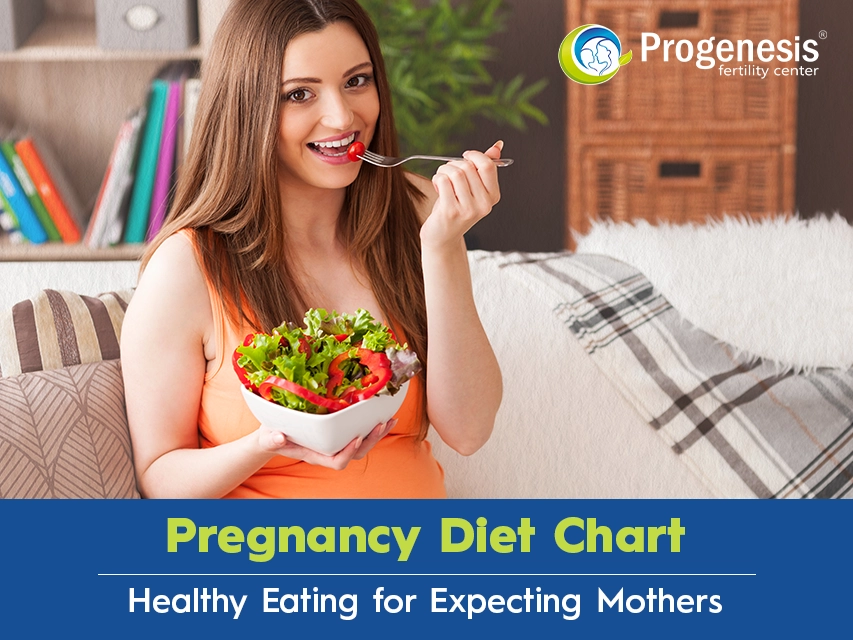
During pregnancy, a nutritious, well-balanced diet plays an essential role for the baby's development as it is the primary source of nutrients for it.
A mother-to-be's diet should include a range of beneficial foods such as fruits, vegetables, and proteins to offer the essential nutrients and nourishment that a baby requires for development.
But when it comes to eating healthy during pregnancy, it can be difficult to determine which foods are best for both you and your baby's health. Here are a list of foods that you should and shouldn't eat during pregnancy:
Foods and Drinks to Consume While Expecting
Dairy products: Rich in vitamins and calcium, among other nutrients, dairy products benefit in a baby's development.
Legumes: Rich in plant-based nutrients, legumes include calcium, iron, fibre, protein, and folate- all of which are especially important during pregnancy.
Sweet potatoes: They are rich in beta carotene, a vitamin that is necessary for normal foetal development.
Salmon: The omega-3 fatty acid docosahexaenoic acid (DHA), which is abundant in salmon, is insufficient during pregnancy and must be supplemented.
Eggs: One of the best sources of protein is eggs. They give the infant the amino acids it needs for growth. They also include choline and over a dozen other healthy vitamins and minerals.
Broccoli and dark, leafy greens: Vitamins A, C, B6, K, folate, and antioxidants are abundant in dark, leafy greens like broccoli. Thus, they prevent skin issues, support strong bones, and guarantee a sufficient supply of haemoglobin.
Lean meat and proteins: During pregnancy, lean meat is a great source of high-quality protein.
Berries: Berries are high in fibre, healthy carbs, vitamin C, and water. They might also help you consume more water and nutrients.
Whole grains: The growing foetus needs the minerals and vitamin B found in whole grains to develop every part of its body.
Avocados: Avocados are rich in a variety of nutrients, such as magnesium, vitamin C, and folate, all of which are essential for a baby's growth.
Dry fruits: Dry fruits are rich in zinc, potassium, and calcium. They aid in preventing constipation during pregnancy since they are high in fibre.
Omega-3 fatty acids: These are the healthiest kind of fat and are abundantly found in fish liver oils. They lessen the likelihood of an early birth.
Water: It's crucial to consume eight to eleven glasses of water every day while pregnant. It improves digestion and keeps the amniotic fluid, which surrounds the fetus, intact.
Also read: 7 Diet Tips for a Healthy Pregnancy
Foods and Drinks to Avoid While Expecting
High mercury fish: Over time, consuming high mercury fish causes the chemical to build up in your blood. A baby's developing brain and neurological system could be harmed by too much mercury in the blood.
Undercooked or raw fish: Compared to completely cooked fish, raw fish is more likely to have bacteria, pathogens, or parasites. Your infant should not be exposed to those!
Raw, undercooked, and processed meat: Pregnant women might experience food poisoning and vomiting due to the presence of listeria germs in processed meat. Additionally, undercooked and raw meat may contain bacteria and other pathogens that can cause illness.
Raw eggs: Pregnant women should avoid eating raw eggs because they may contain salmonella, a germ that can cause diarrhoea, vomiting, and food poisoning.
Organ meat: An overabundance of vitamin A, particularly during the first trimester of pregnancy, can result in congenital defects in the unborn child and even miscarriage.
Caffeine: As a stimulant, caffeine tends to raise blood pressure and heart rate, both of which are harmful during pregnancy. Caffeine can also pass through the placenta, which is a barrier that separates you and your unborn child.
Raw sprouts: Bacteria such as Salmonella and E. coli thrive in warm, humid environments. Thus, eating raw sprouts can cause illness.
Unwashed produce: Toxoplasma gondii, a dangerous parasite that is prevalent in undercooked meat and unwashed vegetables, can infect pregnant women who consume unclean or contaminated food items.
Unpasteurised milk, cheese, and fruit juice: Foodboe infections can result from the presence of bacteria such as Campylobacter jejuni, Listeria, and E. coli in raw, unpasteurised milk.
Alcohol: Drinking alcohol during the first trimester of pregnancy might result in structural problems in the unborn child, such as atypical facial features.
Processed junk food: Eating processed junk food while pregnant can raise the mother's body's levels of acrylamide, a toxic chemical that is bad for the unborn child.
Also read: The Ultimate PCOD Diet Guide: What to Eat & What to Avoid
Conclusion
A healthy, balanced diet is crucial for the developing baby throughout pregnancy since it is ready to absorb all of the nourishing meals you eat. You can make sure your infant is safe and healthy by eating a variety of nutrient-dense meals. Keep your gynaecologist updated about your eating habits and adhere to the suggested diet chart so they can provide additional supplements if necessary. Have a healthy and wholesome pregnancy!