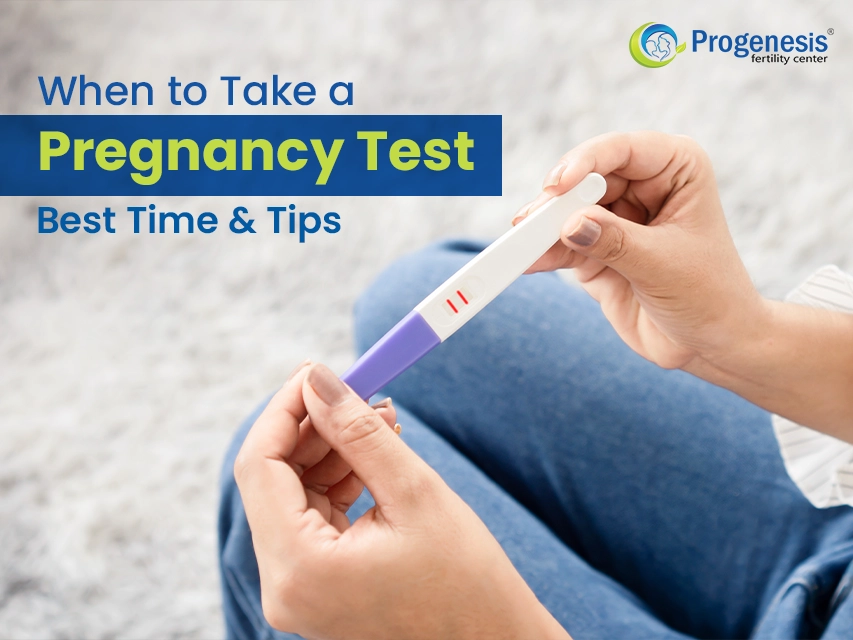
An at-home pregnancy test tells you if you are pregnant with ease. A positive result means you are pregnant, while a negative result means you are not.
A pregnancy test: what is it?
A pregnancy test, as the name suggests, is a test that tells you whether you are pregnant or not. If the results of your pregnancy test are positive it means that you are pregnant, and if they are negative, it means you are not. These tests work by detecting Human chorionic gonadotropin (HCG), which is a hormone your body produces during pregnancy.
Types of pregnancy tests
There are two primary types of pregnancy testing: urine tests and blood tests. A urine test is frequently used alongside a home pregnancy test. This type of test is available over the counter (without a prescription from your doctor) and at a range of prices.
Blood tests to check for pregnancy are performed in a doctor's office and require a sample of your blood.
Another technique to confirm a pregnancy is to use ultrasonography. This ultrasound is performed in the doctor's office.
Also read: Top 10 Common Questions about Pregnancy Answered
What benefits of taking a pregnancy test at home?
Using a home pregnancy test has several benefits, such as:
- The cost of pregnancy testing is low.
- They're simple and easy to use.
- Results from home tests are obtained fast.
Manufacturers of pregnancy kits claim that when used correctly, the majority of at-home pregnancy tests have an accuracy rate of 98% to 99%. If you take the test too soon, you may receive a false negative result, but positive findings can be trusted.
Blood tests are typically more costly and time-consuming. However, blood tests are the only ones that can reveal precise levels of HCG in your body and can identify pregnancy earlier.
Also read: Pregnancy Kit Positive: Signs, Confirmation & Next Steps
When should you take the pregnancy test?
If you suspect you may be pregnant, you should take a pregnancy test to confirm. Home pregnancy tests differ in terms of how early they identify a pregnancy. An at-home test can often provide a positive result as early as 10 days following conception. Wait until you have missed your period before taking a test to get a more accurate result. Remember that if you take a test too soon, it may come back negative, even if you are pregnant. If you receive a negative test and then miss your period, you should take another test.
The ideal time to take the test is usually when you urinate for the first time in the moing. Certain pregnancy tests, however, are sensitive enough to identify HCG at any time of day. Try to avoid taking the test until three hours have passed since your last urination. To ensure you receive the same result, you could also take two pregnancy tests.
What should you avoid doing prior to a pregnancy test?
The majority of pregnancy tests do not require you to alter your lifestyle or refrain from certain activities. HCG-containing fertility medications are the only medications that could affect your results.
The following tips will help you get the best results:
- Before you do anything, carefully read the instructions.
- Don't take the test until you've missed your period.
- Use the urine from a full bladder or your first urination in the moing.
- Your test results could be impacted if you drink a lot of water to urinate before the test.
Also read: Women's Age & Pregnancy: Impact on Fertility & Motherhood
How long does it take to receive a pregnancy test result?
Every at-home pregnancy test is unique. Carefully read the instruction guide. It will let you know how long it will take to receive your results. You will often have to wait three minutes to receive your results. Remember that your results could be inaccurate if you wait too long to review them.
On a pregnancy test, even a faint line could indicate pregnancy. Additionally, a control window will appear on your test to show that you completed it correctly. All of this will be covered in the instructions that come with your test. Please get in touch with your doctor if you have any queries or are still unclear about your test results after many tests.
Also read: 5 Pregnancy hacks that can help you get pregnant fast
What is the accuracy of pregnancy tests?
When used properly, pregnancy tests have an accuracy rate of roughly 99%.
Although it is uncommon, a false positive can occur. If you have a chemical pregnancy or lose the pregnancy soon after the fertilised egg adheres to your uterine wall, this could be the case.
The primary cause of inaccurate results, whether they are false positives or false negatives, can also be improper test administration. Testing too early is the primary cause of a false-negative. If you use a home test improperly—for example, by urinating too much or too little—you may potentially receive a false-negative. To ensure you receive an accurate result, it's critical to adhere to the instructions on your test kit.